


Your Inspection

A Clear Look at What Happens During Your Inspection

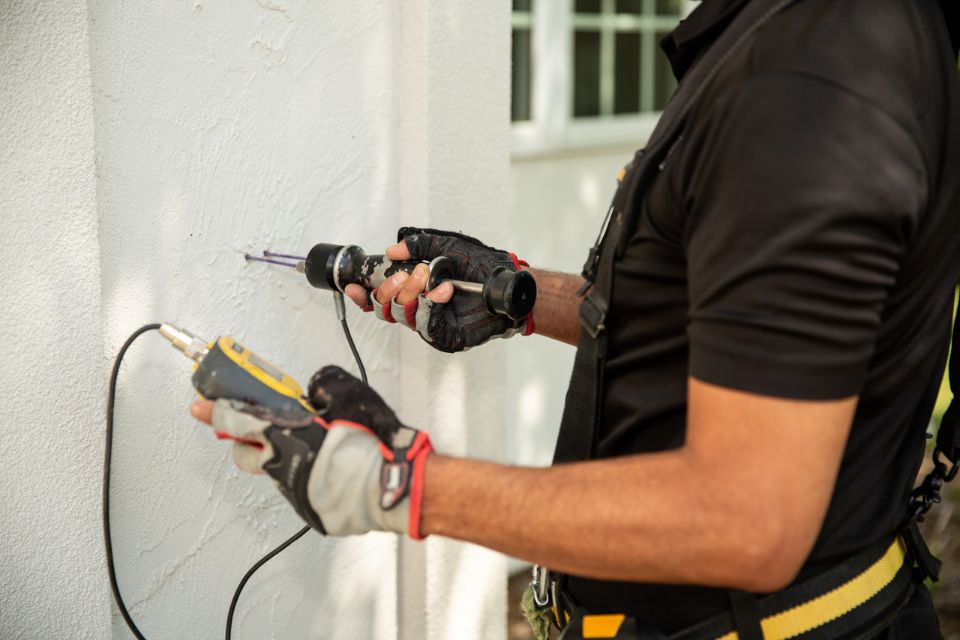
From the first phone call to the final walkthrough, we want your inspection to feel organized, relaxed, and easy to follow. Whether you’re buying a lake home in Horseshoe Bay, getting ready to list in Fredericksburg, or checking on a place you’ve owned for years, Texas Made Home Inspections brings the same careful approach and the same willingness to explain things along the way.

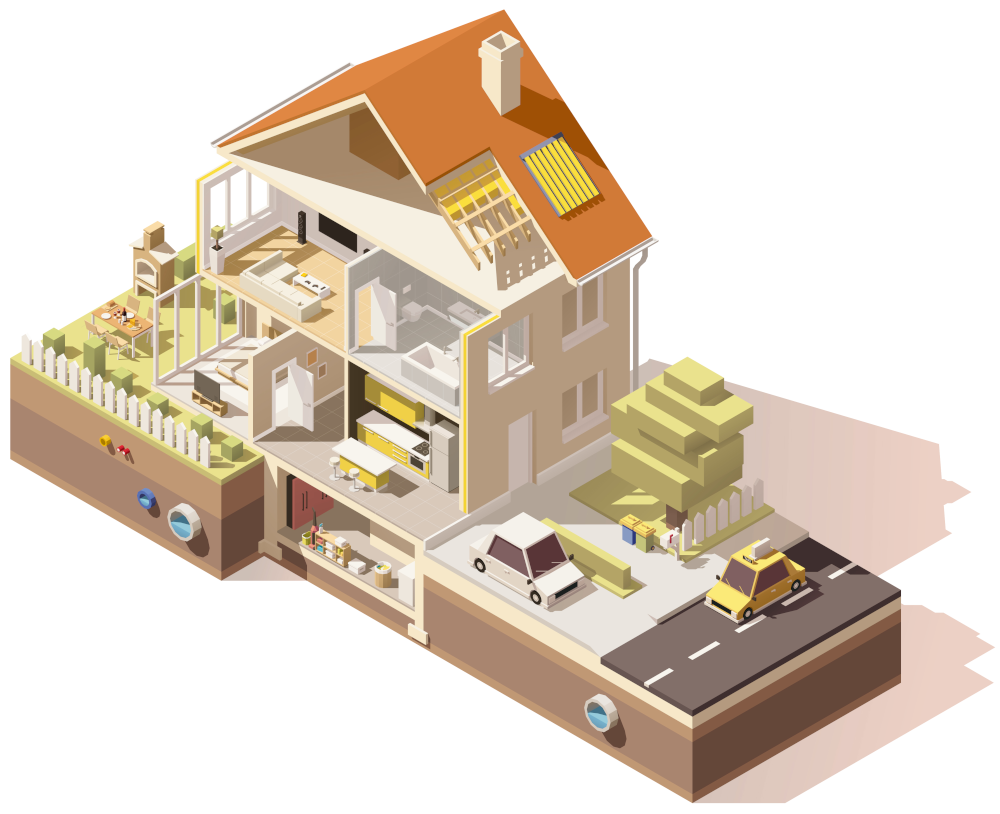
Every home inspection we perform follows the Standards of Practice set by the Texas Real Estate Commission (TREC), the state agency that licenses home inspectors in Texas. During your inspection, we evaluate the home’s major systems and accessible components, flag conditions that need attention now, and point out items worth keeping on your radar over the next few years.

Once we wrap up, we’ll go over the big picture with you and your real estate agent in plain terms. You’ll then receive a detailed report in both web and PDF formats, complete with photos and clear notes on everything we evaluated. It’s built to be shared, saved, and revisited any time a question comes up about the house.

5 Ways Your Inspection Pays Off

Stronger Footing in Negotiations

Documented findings give buyers solid ground to request repairs, credits, or a price adjustment. Sellers who inspect first can fix problems ahead of time or price the home realistically from day one.

Hazards Brought to Light

Faulty wiring, gas appliance issues, missing smoke alarms, and structural concerns aren't always obvious to the eye. Your inspection helps catch safety problems before your family moves in.

A Realistic Budget for What's Ahead

We'll let you know about the condition of a roof, water heater, or AC unit, so a big replacement cost doesn't catch you off guard down the road.

Transparency That Helps a Home Sell

A pre-listing Texas Made Home Inspections report shows buyers you have nothing to hide. That openness tends to build trust, draw stronger offers, and cut down on surprises once a contract is signed.

Confidence at the Closing Table

Nothing beats knowing exactly what you're signing for. With the facts from your inspection in hand, you can finalize your purchase or sale without second guessing.

Common Questions About Your Inspection

Most residential inspections take a few hours. Square footage, the age of the home, and add-on services like a sewer scope, septic evaluation, or mold assessment can extend that time. We’ll give you an estimate when you book.

It isn’t required, but we highly recommend it, especially for the last part of the visit. If not, I will always call for an over the phone summary hitting a highlight of major components and any major findings.

Utilities should be on, including water, gas, and electricity. The attic hatch, electrical panel, water heater, HVAC equipment, and any crawlspace entry should be easy to reach, and pets should be secured or out of the home for the day. A little preparation helps keep things running smoothly and keeps items from being left out of your inspection.

There’s no passing or failing grade in a home inspection. Nearly every house has findings, including brand new construction. Our job is to explain which items are serious, which are routine maintenance, and which are simply worth knowing, so you can decide what matters most to you.

Yes. Because we hold licenses through TREC, the Texas Department of Agriculture, and the Texas Department of Licensing and Regulation, we can bundle a WDI inspection, septic evaluation, sewer scope, and mold assessment with your inspection. Just let us know what you need when you schedule.

What's Included in a Home Inspection?

Roof

Roof coverings, gutters, downspouts, vents, flashing, skylights, chimney, roof penetrations and the general structure of the roof.
Attic, Insulation, Ventilation

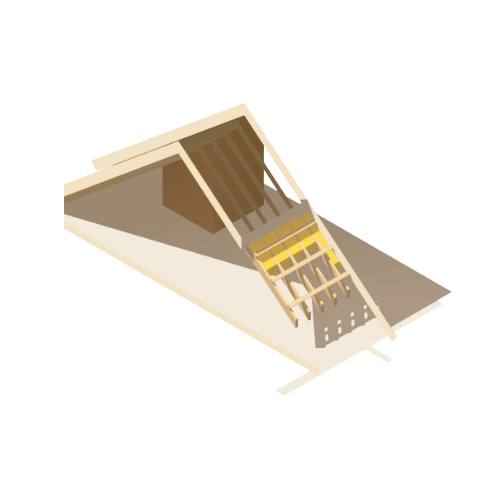
Insulation and ventilation of unfinished spaces, including attics, crawl spaces, foundation areas and exhaust systems.
Exterior

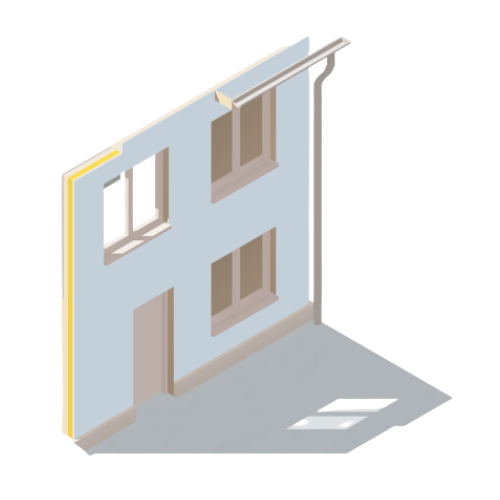
Siding, windows, exterior doors, flashing & trim, walkways, driveways, stairs, patios & decks, and drainage.

Basement, Foundation, Crawlspace, Structure

Foundation movement, cracks, structural concerns, and indication of water penetration.

Cooling

Cooling system, location of thermostat, energy source and cooling method.
Heating

Heating system, location of thermostat, energy source and heating method.
Fireplace

Visible portions of the fireplace & chimneys, lintels, damper doors, and cleanout doors & frames.
Plumbing

Main water & fuel supply shut-off valves, water heater, interior water supply, toilets, sinks, tubs, showers, drain, waste and vent systems.
Electrical

Service drop, overhead service conductors, service head & mast, main service disconnect, panelboards, grounding, switches, light fixtures, receptacles deemed to be AFCI & GFCI, and the presence of smoke alarms & carbon monoxide detectors.
Appliances

Dishwasher, disposal, range, oven, microwave, refrigerator, exhaust, bathroom heater, garage door, doorbell, and dryer vent

Doors, Windows, Interior

Representative number of all accessible doors & windows, floors, walls, ceilings, stairs, railings, garage door and openers.

© Copyright 2026 Spectora Inc.
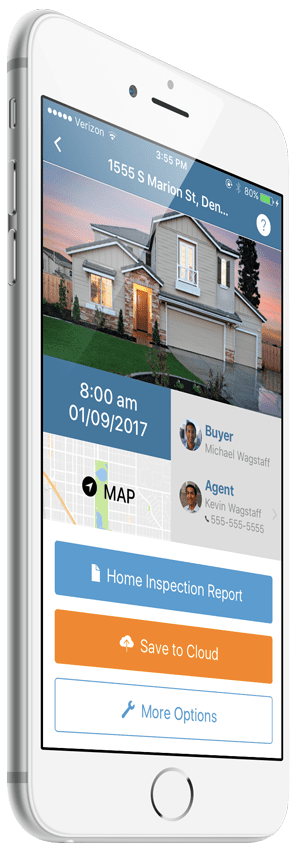
Our Spectora reports can be viewed on any device!

Our Report

Straightforward Findings You Can Put to Work

We always welcome you to join us on inspection day. Seeing a soft spot in the subfloor or a corroded water heater fitting in person usually makes more sense than reading about it later. If your schedule or a long drive keeps you away, that’s perfectly fine.

Either way, all of our property inspections end with a Spectora report packed with photos, plain-language descriptions, and clear recommendations. It opens easily on a phone, tablet, or laptop, and the summary pulls the most important items to the top so you’re not hunting for them.

Your report arrives within 24 hours of the inspection, leaving plenty of time to walk through the findings with us and your real estate agent before any deadlines hit.
